
Inspection and Testing
Training and consultancy

Training and consultancy

Training courses are conducted with the prime objective of adding value to the resources of the organization. A short list of training courses offered is given below -

NDT Personnel Training & Certification as per SNT-TC-1A / ISO 9712

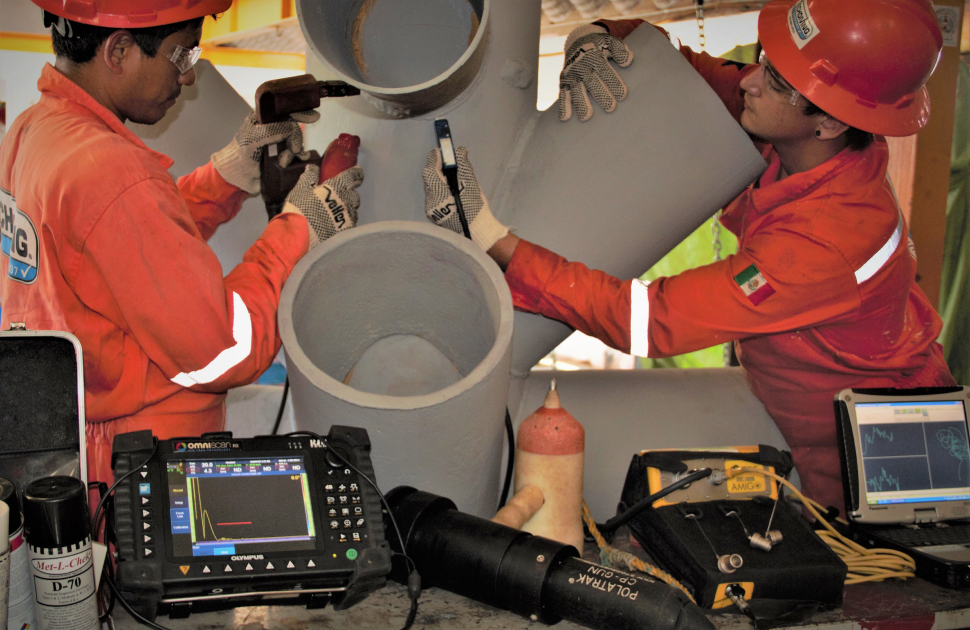
Non-Destructive Testing (NDT) personnel training and certification are governed by internationally recognized standards such as SNT-TC-1A and ISO 9712, which ensure consistent and reliable practices across the globe. Certification is categorized into Levels I, II, and III, based on an individual’s proficiency in specific NDT methods. Candidates undergo comprehensive training programs that include theoretical knowledge, hands-on practical skills, and familiarization with relevant codes and standards. Gaining and documenting field experience is essential, followed by rigorous written and practical examinations to assess competency. Certifications are granted by authorized internal or external bodies in accordance with standard requirements. Regular recertification is mandated to uphold ongoing competence, often involving further training and evaluation. A robust quality assurance program is vital for sustaining high standards in NDT operations. ISO 9712, in particular, offers international recognition, facilitating global mobility and trust in certified professionals. Continuous professional development is strongly encouraged to keep NDT personnel updated with evolving technologies and industry practices.

Description

Awareness Course in ISO 9001; 14001 & 45001

The ISO standards—ISO 9001, ISO 14001, and ISO 45001—form the foundation of effective management systems across quality, environmental, and occupational health and safety domains. ISO 9001 outlines the principles of a Quality Management System (QMS), ensuring consistent quality in processes and customer satisfaction. ISO 14001 guides organizations in implementing an Environmental Management System (EMS) to promote sustainability and responsible environmental practices. ISO 45001 focuses on Occupational Health and Safety Management (OHSMS), providing a framework to create safer, healthier workplaces. Integrating these systems enhances operational efficiency and strategic alignment. A core principle across all three standards is risk-based thinking, encouraging proactive risk assessment and informed decision-making. Compliance with legal and regulatory requirements is streamlined through ISO frameworks, supporting both accountability and governance. Internal auditing plays a critical role in evaluating system performance and identifying areas for improvement. Continuous improvement is at the heart of ISO implementation, driving organizations toward innovation and excellence. Moreover, employee engagement is essential, fostering a culture committed to quality, environmental responsibility, and workplace safety.

Description

Internal Auditors in ISO 9001, 14001 & 45001

Internal auditors play a critical role in ensuring compliance with ISO 9001 (Quality Management), ISO 14001 (Environmental Management), and ISO 45001 (Occupational Health and Safety) standards. To be effective, auditors must possess the necessary competencies—including relevant skills, knowledge, and formal training—to accurately evaluate management systems. Their independence and impartiality are essential for delivering unbiased and objective assessments. A well-structured audit begins with thorough planning, where the scope, objectives, and criteria are clearly defined, and appropriate audit methods are selected. Embracing a risk-based approach, auditors focus on areas with the greatest potential impact on quality, environmental sustainability, and workplace safety. The audit process includes a detailed review of documentation, along with interviews and direct observations, to gather meaningful insights into operational effectiveness. Auditors identify nonconformities and highlight opportunities for improvement, delivering clear, concise reports that support informed decision-making. Ultimately, internal auditors contribute significantly to organizational growth by promoting continual improvement and strengthening system integrity.

Description

Guided Tour of ASME Codes

The ASME (American Society of Mechanical Engineers) Codes serve as a globally recognized framework for the design, fabrication, and inspection of mechanical components and systems, ensuring safety, quality, and reliability. These codes are structured into various sections and divisions, each addressing specific applications—such as Section I for Power Boilers, Section VIII for Pressure Vessels, and Section IX for Welding and Brazing Qualifications. Understanding these divisions is essential for professionals involved in code-compliant construction and inspection. Compliance with ASME codes involves rigorous certification processes, often overseen by Authorized Inspection Agencies (AIAs), to verify adherence to established standards. The codes also define detailed materials specifications and design criteria, guiding engineers in material selection, stress analysis, and incorporating adequate safety margins. Through real-world case studies and industry applications, the practical significance of ASME codes becomes evident, highlighting their critical role in maintaining operational integrity and fulfilling regulatory requirements across sectors such as oil & gas, power generation, and manufacturing.

Description

Welders & Welding Operators Training

Basic Welding Techniques: Training covers fundamental welding techniques, including arc welding, gas welding, and electric welding, ensuring a solid foundation for welders and welding operators. Safety Protocols and Procedures: Emphasis on safety measures, personal protective equipment (PPE), and adherence to industry standards to create a secure working environment during welding operations. Material Preparation and Inspection: Instruction on the proper preparation of materials for welding, including cleaning, cutting, and fitting, coupled with guidance on inspecting materials to meet quality standards. Welding Codes and Standards: Familiarization with relevant welding codes and standards, such as AWS (American Welding Society) codes, ensuring compliance with industry regulations and the ability to produce welds of the desired quality. Hands-On Practical Training: Practical, hands-on training sessions allowing welders and welding operators to apply theoretical knowledge, refine their skills, and gain experience in various welding processes and positions.

Description

Welding Inspectors’ Training Course

Welding Processes and Techniques: Comprehensive training on various welding processes (e.g., arc welding, gas welding) and techniques to enable inspectors to assess weld quality and adherence to standards. Understanding Welding Symbols and Drawings: Instruction on interpreting welding symbols and blueprints, ensuring welding inspectors can accurately assess the specifications and requirements of a welding project. Inspection Methods and Equipment: Training on non-destructive testing (NDT) methods, visual inspection, and the use of inspection equipment such as ultrasonic testing devices and X-ray machines to identify defects and ensure weld integrity. Code Compliance and Standards: In-depth knowledge of welding codes and standards, including ASME, AWS, and other relevant industry specifications, to assess compliance and verify that welding work meets regulatory requirements. Documentation and Reporting: Guidance on maintaining accurate records, generating inspection reports, and communicating findings effectively to stakeholders, ensuring transparency and accountability in the welding inspection process.

Description

Awareness Course in Non-Destructive Testing

Introduction to NDT Methods: Overview of common Non-Destructive Testing methods, including Radiography, Ultrasonics, Magnetic Particle Testing, Liquid Penetrant Testing, and Visual Inspection. Benefits and Applications: Understanding the advantages of NDT in detecting defects without damaging the material, with applications across industries such as manufacturing, construction, and aerospace. Safety Considerations: Emphasis on safety protocols during NDT activities to protect personnel and ensure the integrity of the testing process. Regulatory Compliance: Awareness of relevant industry standards and regulations governing NDT, ensuring that testing activities align with quality and safety requirements. Role in Quality Assurance: Recognition of NDT's critical role in quality assurance, emphasizing its contribution to ensuring the reliability and longevity of materials and structures.

Description

NDT for Managers

Understanding NDT Principles: Managers gain a foundational understanding of Non-Destructive Testing (NDT) principles, methods, and their significance in ensuring material integrity and quality. Integration into Quality Management Systems: Insight into how NDT aligns with quality management systems, emphasizing its role in maintaining and enhancing product and process quality. Regulatory Compliance and Standards: Awareness of relevant industry standards and regulatory requirements related to NDT, ensuring compliance and adherence to best practices. Risk Management and Decision Support: Managers learn to assess risks associated with materials, structures, or components through NDT data, facilitating informed decision-making and preventive measures. Cost-Benefit Analysis: Understanding the economic aspects of NDT, including the cost-effectiveness of implementing NDT processes compared to potential risks and costs associated with material failures or defects.

Description

NDT for Designers

Designing for NDT Considerations: Integration of Non-Destructive Testing (NDT) principles into the design process, ensuring that components are accessible for inspection and facilitating effective testing. Material Selection and NDT Compatibility: Understanding the impact of material properties on NDT methods, aiding designers in selecting materials that are conducive to accurate and reliable testing. Welding and Joint Design: Guidance on designing welds and joints with NDT in mind, optimizing geometry and minimizing potential defects to enhance the ease and accuracy of inspections. Quality Assurance Integration: corporation of NDT as a quality assurance tool during the design phase, emphasizing the role of NDT in ensuring the integrity and durability of the final product. Collaboration with NDT Specialists: Fostering collaboration between designers and NDT specialists to promote a holistic approach to design, where considerations for testing and inspection are integral to the overall design process.

Description

Quality Control Managers’ Certification Program

Comprehensive Quality Management Training: Rigorous program covering key aspects of quality management, including principles, methodologies, and tools to equip Quality Control Managers with a holistic understanding. Regulatory Compliance and Standards: In-depth knowledge of industry-specific quality standards and regulatory requirements, ensuring that managers are well-versed in compliance and adherence to quality benchmarks. Effective Quality Control Strategies: Training on developing and implementing effective quality control strategies, emphasizing proactive measures to prevent defects and ensure continuous improvement. Data Analysis and Decision-Making: Skill development in data analysis techniques to aid decision-making, fostering the ability to interpret quality metrics and implement corrective actions based on analytical insights. Auditing and Certification Processes: Training on conducting quality audits, both internal and external, and understanding certification processes to maintain and enhance the organization's quality management system.

Description

CSWIP / AWS / BGAS/ NACE Preparatory Program

Certification Preparation: Comprehensive program preparing candidates for internationally recognized certifications such as CSWIP, AWS, BGAS, and NACE. Focused Exam Readiness: Targeted training to enhance knowledge and skills required to excel in certification exams. Multinational Standards: Covers global welding, inspection, and corrosion control standards to align with industry expectations. Expert-Led Instruction: Delivered by experienced instructors to provide practical insights and guidance for successful certification attainment. Diverse Certification Tracks: Tailored program accommodating a range of certification tracks to meet specific career goals and industry demands.

Description

Fabrication Inspectors’ Training Course

Fabrication Processes Overview: Comprehensive training covering various fabrication processes, including welding, cutting, and forming, to equip inspectors with a broad understanding of manufacturing techniques. Quality Control Techniques: Instruction on implementing quality control measures during fabrication, emphasizing the importance of adherence to standards and specifications. Materials and Welding Inspection: Focus on inspecting materials, welds, and fabrication joints, with an emphasis on identifying defects and ensuring compliance with industry standards. Blueprint Reading and Interpretation: Skill development in reading and interpreting engineering drawings and blueprints to accurately assess fabrication requirements and specifications. Safety and Compliance: raining on safety protocols in fabrication settings and ensuring compliance with relevant industry regulations, fostering a culture of safety and quality assurance in the fabrication process.

Description

Safety in Workplace i.e. First Aid, Scaffolding, Work at height etc.

First Aid Training: Comprehensive program covering essential first aid skills for immediate response to workplace injuries and emergencies. Scaffolding Safety: Training on proper erection, use, and dismantling of scaffolding systems to prevent falls and ensure a secure working platform. Work at Height Protocols: Guidelines on safely conducting work at height, including the use of fall protection measures and adherence to safety regulations. Emergency Evacuation Procedures: Instruction on effective emergency evacuation plans and procedures to ensure a swift and organized response to workplace crises. Personal Protective Equipment (PPE): Emphasis on the correct selection and use of PPE to mitigate workplace hazards and protect workers from potential risks.

Description

Painting / Surface Coating

Surface Preparation: Emphasis on proper cleaning, sanding, and priming to ensure optimal adhesion of paint or coatings. Coating Application Techniques: Training on various application methods, including spraying, brushing, and rolling, for achieving uniform and durable coatings. Material Selection and Mixing: Guidance on choosing appropriate paints or coatings and ensuring proper mixing ratios for consistency and performance. Quality Inspection: Instruction on inspecting painted surfaces for defects, ensuring adherence to specified thickness, color, and finish requirements. Safety and Environmental Compliance: Emphasis on safety protocols, including the use of protective gear and compliance with environmental regulations regarding paint application and disposal.

Description

Welding Awareness Program

Basic Welding Principles: Introduction to fundamental welding processes, techniques, and terminology for a foundational understanding. Safety in Welding: Emphasis on safety measures, protective equipment, and safe practices to prevent accidents during welding operations. Welding Materials and Methods: Overview of materials commonly used in welding, along with various welding methods and their applications. 4. Quality Assurance in Welding: Understanding the importance of quality control, inspection, and adherence to standards to ensure weld integrity. Hands-On Demonstrations: Practical demonstrations to provide participants with a visual understanding of welding processes and an opportunity for hands-on experience.

Description